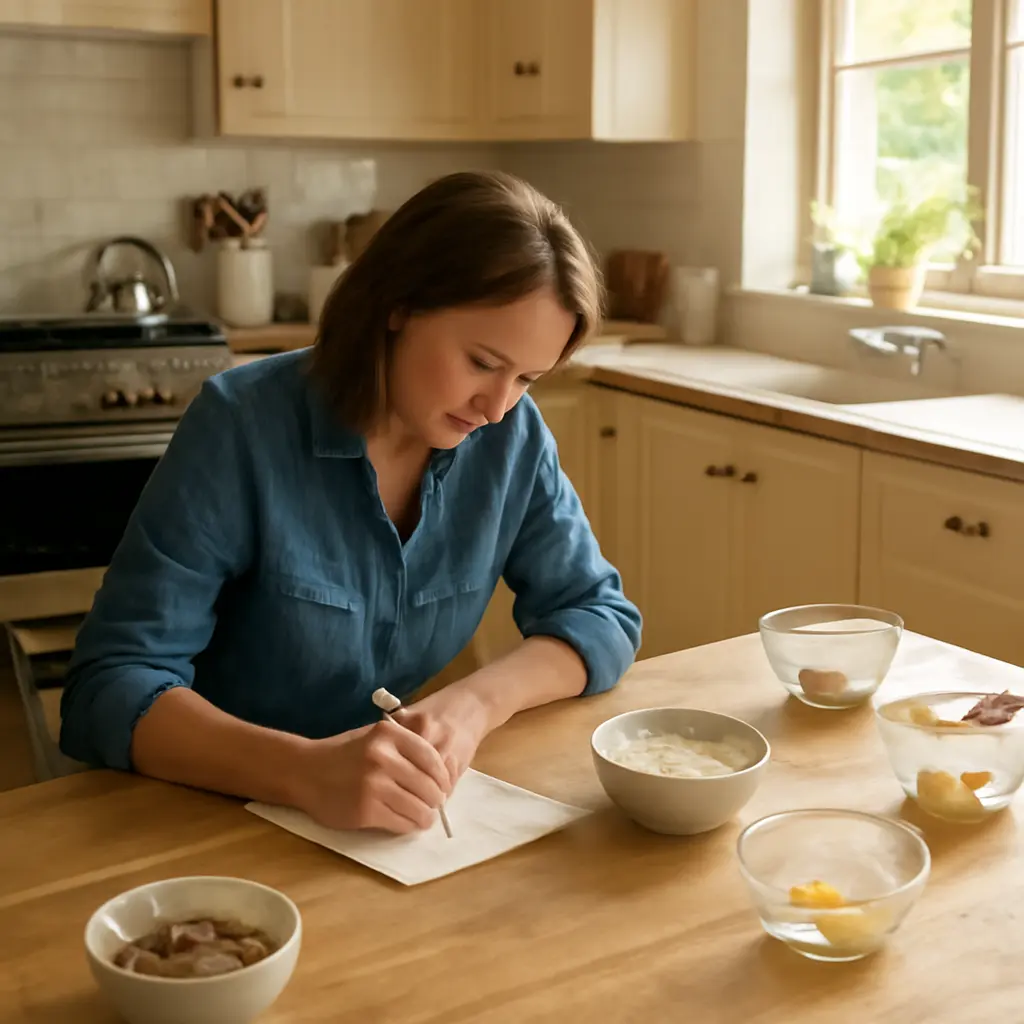
Comfort food is more than a dish: it is often the visible result of caregiving work—the planning, shopping, cooking, serving, and emotional attention that help people feel cared for. This article examines how home-cooked meals carry emotional labor, how that labor is distributed and experienced, and why acknowledging it matters. The scale is substantial: the U.S. Bureau of Labor Statistics reports that women spent an average of 0.68 hours per day on food preparation and cleanup in 2023, compared with 0.42 hours for men. Those averages do not capture every household or the feelings attached to the work, but they help show why a comforting meal can represent both affection and an unequal, often overlooked workload.
Caregiving work behind comfort food: definition and scope
Emotional labor is commonly used to describe the management of feelings and emotional expression to meet social expectations. Sociologist Arlie Russell Hochschild introduced the concept in her study of paid service work; in family life, scholars and writers also use the related term “emotion work” for efforts to shape one’s own or another person’s feelings. Preparing a familiar meal for someone who is sick, grieving, celebrating, or simply tired can involve this less visible work alongside physical tasks.
In a home-cooking context, caregiving work may include remembering food preferences, anticipating needs, managing allergies, keeping a meal culturally familiar, coordinating schedules, and offering reassurance through food. “Comfort food” has no single universal definition: it generally refers to food associated with emotional comfort, familiarity, nostalgia, or a sense of well-being. Research by psychologists Shira Gabriel, Jordan W. K. B. K. and colleagues found that comfort foods could strengthen feelings of social belonging in certain circumstances, particularly when people associated those foods with close relationships. The meaning of a dish is therefore personal and shaped by memory, relationships, and culture.
The work is not inherently performed by women, nor does every home-cooked meal involve emotional labor. Yet time-use evidence points to a persistent gender gap in unpaid domestic work. The International Labour Organization estimated that women perform 76.2% of total unpaid care work worldwide, based on its global estimates published in 2018. Food preparation is only one part of care, but it offers a concrete way to see how practical effort and emotional attention can overlap.
How caregiving work shapes comfort food and emotional labor
Meal planning as anticipatory care
Meal planning is the mental and practical work of deciding what people will eat, when they will eat it, and what is needed to make it possible. It can include checking supplies, budgeting, considering dietary restrictions, and coordinating household schedules. Sociologist Allison Daminger’s research on cognitive household labor describes four related stages: anticipating needs, identifying options, making decisions, and monitoring results. In cooking, those stages may happen before anyone enters the kitchen.
This planning becomes emotional work when the cook is also trying to make someone feel safe, remembered, or welcome. A parent may choose a familiar soup for a child who is unwell; an adult child may prepare a relative’s traditional dish for a holiday. These choices can express attention, but they also depend on knowledge and effort that may go unrecognized. A useful acknowledgment is to ask not only who cooked, but who noticed the need, selected the meal, and made sure the ingredients were available.
Cooking and serving as embodied care
Cooking is the hands-on work of preparing food, while serving can include adapting portions, checking whether someone has eaten, and making a shared meal possible. When a dish is tied to family history or cultural identity, cooking it can also preserve knowledge and offer connection across generations. The same meal may therefore be nourishment, routine, hospitality, and a reminder of belonging.
The U.S. Bureau of Labor Statistics’ 2023 American Time Use Survey recorded average daily food-preparation and cleanup time of 0.68 hours for women and 0.42 hours for men. These are population averages, not measures of individual households or of cooking quality, affection, or stress. Still, they provide a useful context for asking how domestic food work is divided. A meal’s visible outcome can conceal the time spent preparing it and the coordination required to serve it.
Emotional attunement and the meaning of a familiar dish
Emotional attunement is the effort to notice and respond to another person’s emotional state. In food caregiving, it may mean recognizing that someone needs a familiar taste, a low-effort meal, company at the table, or simply the freedom to decline food. Comfort is not automatic: a dish that feels reassuring to one person may be unwelcome to another because of personal history, culture, health, or changing preferences.
Psychological studies suggest that food can evoke autobiographical memories and social associations, but they do not establish that a particular meal will comfort everyone. The caregiver’s attention matters as much as the recipe. Asking what would feel good, rather than assuming, respects the recipient’s agency and avoids turning care into an obligation to eat or to display gratitude.
Cleanup, repetition, and the invisible tail of a meal
Caregiving does not end when food reaches the table. Cleanup includes washing dishes, storing leftovers, wiping surfaces, and restoring the kitchen for its next use. Repeated meals also require replenishing supplies and remembering what worked before. These tasks are easy to overlook because they happen after the shared moment that people are most likely to remember.
The time-use figures above combine food preparation and cleanup, reflecting that both are part of domestic food work. Recognizing the full sequence can prevent praise from landing only on the person who presents the meal while another person handles the planning or aftermath. A fair division considers the entire process, not just the cooking itself.
Who performs the labor, and what the evidence shows
Gender and unpaid food work
Unpaid food work refers to household cooking and related tasks performed without wages. Time-use data consistently show that women, on average, spend more time on food preparation and cleanup than men in the United States. The International Labour Organization’s estimate that women perform 76.2% of unpaid care work globally illustrates a wider imbalance that extends beyond cooking to childcare, eldercare, and other household support.
These patterns do not mean every woman cooks or every man avoids domestic work. They describe broad averages shaped by employment, household structure, income, culture, and social expectations. They also cannot measure the emotional significance of a particular meal. Their value is in making a recurring distribution visible enough to discuss and, where needed, change.
Cognitive labor and household coordination
Cognitive labor is the thinking that makes domestic tasks happen: noticing a need, researching options, making a plan, and checking that the plan worked. Daminger’s study, based on interviews with heterosexual couples, found that women carried more responsibility for anticipating household needs and monitoring tasks, while decision-making patterns varied by task. The study is not a universal account of all families, but it provides language for work that may be overlooked when people count only visible chores.
For meals, cognitive labor might mean remembering that a guest is vegetarian, tracking what is running low, or knowing which foods a recovering family member can tolerate. Sharing this work means transferring responsibility—not merely waiting for instructions. Household members can take ownership of a full meal cycle, including planning, shopping, cooking, and cleanup, rather than helping with one task only when asked.
Culture, migration, and intergenerational care
Food can carry cultural memory: recipes, techniques, ingredients, and mealtime customs may connect people to a place, family history, or community. Preparing a familiar dish can be a form of intergenerational teaching and belonging, especially when relatives live far apart or have moved across countries. At the same time, cultural food labor should not be romanticized as effortless tradition; sourcing ingredients, translating recipes, and adapting to new circumstances require time and skill.
A practical example is a relative teaching a younger family member to make a holiday dish by touch and taste rather than written measurements. The lesson passes on more than a recipe: it can preserve stories and family identity. The cook’s knowledge deserves recognition, and the work can be shared by inviting others to learn, document, shop, or prepare components.
Real-world ways to acknowledge and share meal care
Make invisible work visible
Making invisible work visible means naming the steps behind a meal without reducing care to a scorecard. Families can list recurring tasks—planning, shopping, cooking, serving, and cleanup—and identify who currently owns each one. This simple audit can reveal that the person who “doesn’t cook” may still choose meals, maintain the grocery list, or coordinate dietary needs.
A visual chart can help: one column for each stage of the meal cycle and one row for each household member. The chart should be used to start a conversation about capacity and fairness, not to judge affection by the number of tasks completed. Household circumstances differ, and equitable sharing may mean rotating duties or adjusting them to time, health, and ability.
Offer specific gratitude and practical reciprocity
Specific gratitude identifies the effort being appreciated: “Thank you for remembering the meal I can eat while I’m recovering,” for example, recognizes both planning and care. Reciprocity turns appreciation into action. A recipient might wash the dishes, arrange groceries, cook the next meal, or ask what would reduce the caregiver’s workload.
When someone is ill, grieving, or under pressure, a meal train or coordinated food delivery can distribute support among several people. The organizer should check dietary preferences, delivery timing, and whether the recipient wants company. Care is more useful when it responds to the person’s actual needs rather than assuming that food alone is the right form of help.
Respect choice and avoid turning care into a demand
Food offered with care should leave room for refusal, substitution, and changing circumstances. Recipients may have medical restrictions, sensory preferences, religious practices, or simply no appetite. Asking before cooking can protect both the recipient’s autonomy and the cook’s effort, especially when a large or elaborate meal would otherwise be prepared without being wanted.
This principle also applies to the caregiver. A home-cooked meal is not the only evidence of love, and convenience foods, shared cooking, prepared meals, or community support can be caring choices. Valuing care means recognizing the intention and labor involved without treating one idealized version of domestic cooking as the standard for a good family.
Conclusion: recognize the care behind comfort food
Comfort food can express connection, memory, and practical support, but it is also made possible by a chain of labor: anticipating needs, planning, shopping, cooking, serving, and cleaning. Research on emotional work and cognitive household labor helps explain why the meal’s meaning may depend on attention that is not visible at the table. Time-use data—from the U.S. gender gap in food preparation and cleanup to the International Labour Organization’s global estimate of unpaid care work—show why the distribution of that labor deserves attention.
Acknowledging caregiving work does not diminish the affection in a home-cooked meal; it makes that affection more visible and sustainable. Ask who is carrying the full meal cycle, share responsibility where possible, and offer gratitude that is matched by practical support. For further reading, explore the American Time Use Survey, the International Labour Organization’s research on unpaid care work, and Allison Daminger’s work on the cognitive dimension of household labor.
Sources: U.S. Bureau of Labor Statistics, American Time Use Survey, 2023 Results, https://www.bls.gov/news.release/atus.nr0.htm; International Labour Organization, Care Work and Care Jobs for the Future of Decent Work, 2018, https://www.ilo.org/publications/major-publications/care-work-and-care-jobs-future-decent-work; Arlie Russell Hochschild, The Managed Heart: Commercialization of Human Feeling, University of California Press, 1983, https://www.ucpress.edu/book/9780520272941/the-managed-heart; Allison Daminger, “The Cognitive Dimension of Household Labor,” American Sociological Review, 2019, https://doi.org/10.1177/0003122419859007; Shira Gabriel, Jordan W. K. B. K. and colleagues, “The Comforting Effects of Familiarity: Social Belonging and the Appeal of Familiar Foods,” Personality and Social Psychology Bulletin, 2013, https://doi.org/10.1177/0146167213497983.