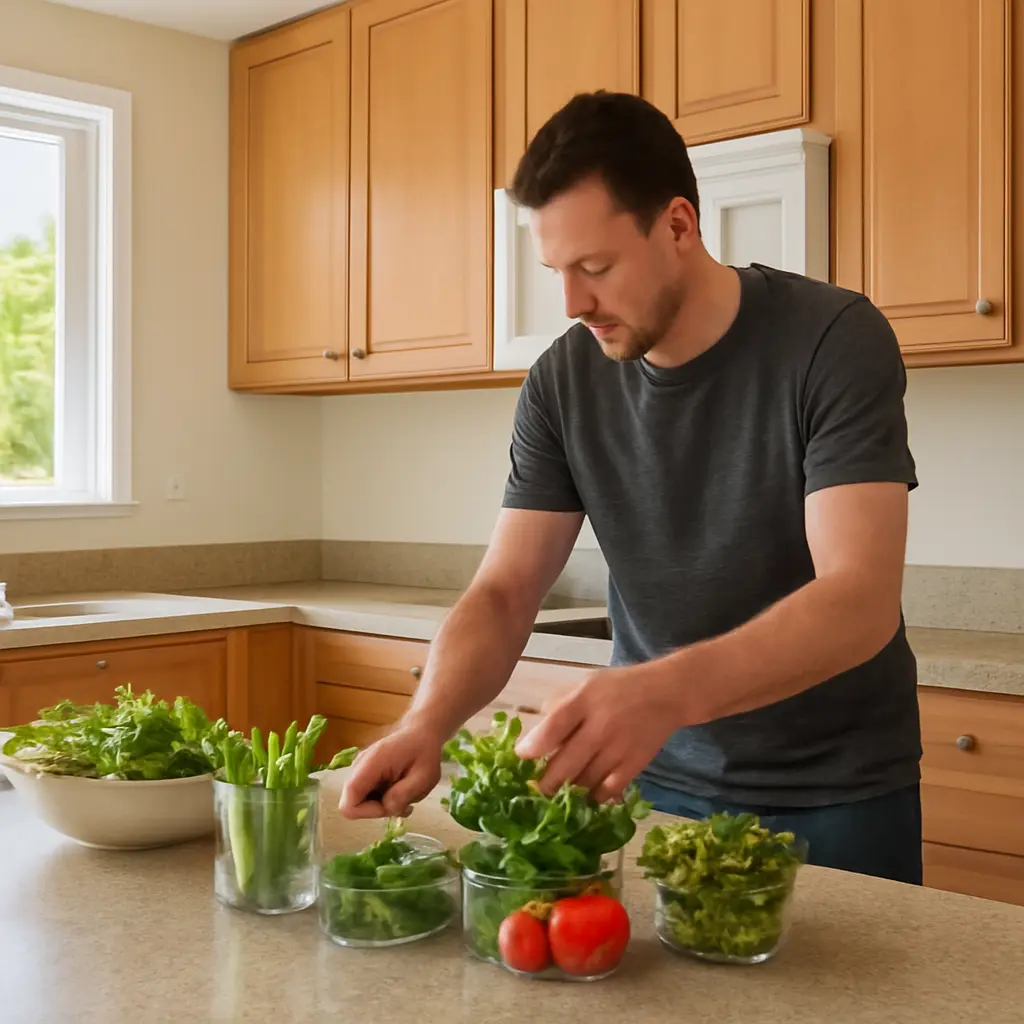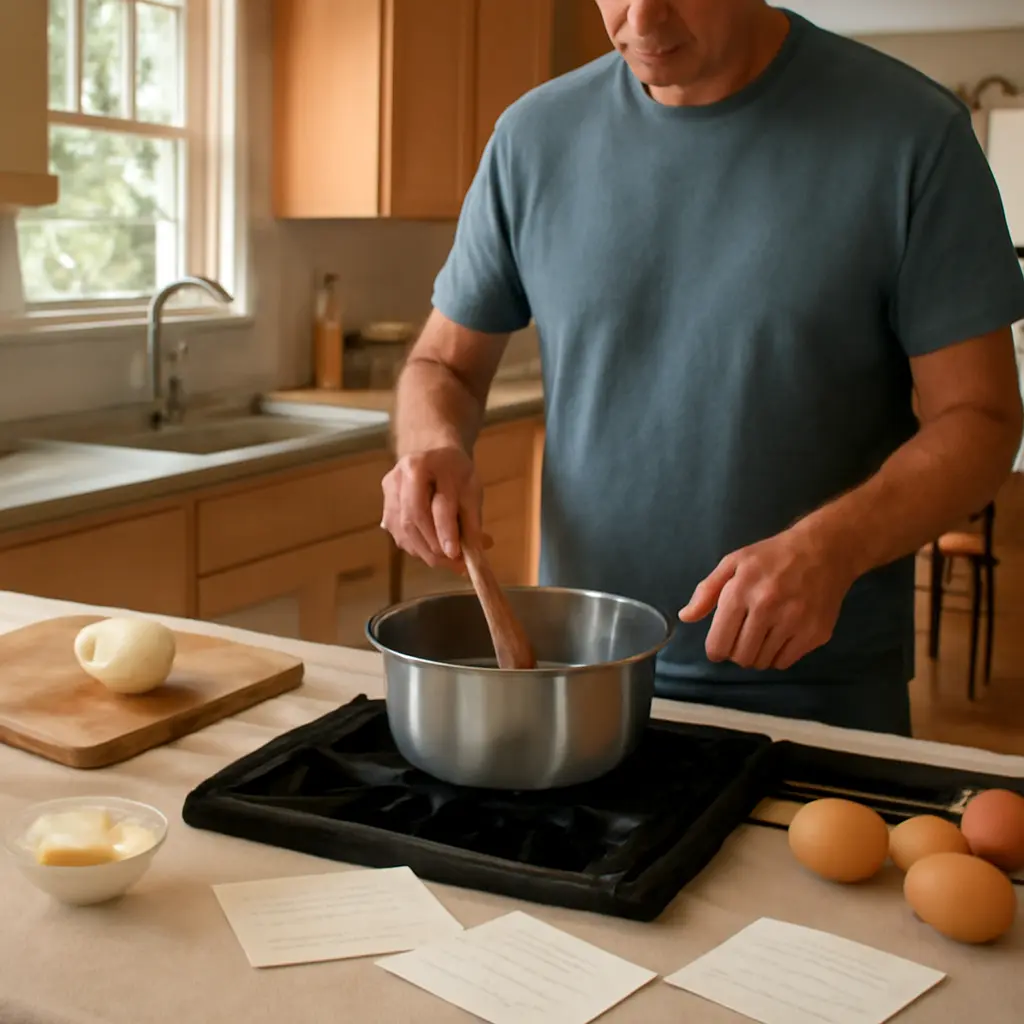
Food nostalgia is the emotional connection between remembered meals and personal or shared histories. A familiar taste or aroma can bring back memories of family, childhood, migration, and celebration, making food a powerful link to the past. Research on autobiographical memory suggests that smell can evoke especially emotional, vivid recollections, while surveys show that food traditions remain a meaningful part of how many people express cultural identity. This article explores how memory shapes nostalgic eating, how recipes preserve family and community history, and why comfort foods matter—while recognizing that remembered foodways can change across generations.
Food Nostalgia and the Sensory Memory of Meals
Food nostalgia is the longing or affection people feel for foods associated with an earlier time, place, or relationship. It is not a formal clinical diagnosis; it is a way of describing how sensory experiences and memories become connected. A dish may recall a holiday table, a school lunch, a grandparent’s kitchen, or a place someone has left behind.
The connection begins with the senses. Taste and smell work alongside texture, temperature, sound, and setting: the crackle of fried food or the smell of bread can be as evocative as flavor itself. Psychologist Rachel Herz has described smell as closely linked to emotion and autobiographical memory. The brain’s olfactory pathways connect with regions involved in emotion and memory, helping explain why a food aroma may feel unusually immediate and personal.
Aroma, Flavor, and Autobiographical Memory
Autobiographical memories are recollections of a person’s own past. Food can act as a cue for these memories: cinnamon may summon a winter kitchen, while a particular soup may bring back the care received during an illness. The memory is not stored in the food; rather, sensory cues can prompt the mind to reconstruct an earlier event, including its people, setting, and emotional tone.
Researchers have found that odor-evoked memories can be more emotional and vivid than memories triggered by some other cues. That does not mean every remembered meal is perfectly accurate. Memory changes over time, and a present-day taste may be compared with an idealized version of the past. Nostalgia is therefore both recollection and interpretation.
Comfort Food and Emotional Meaning
Comfort food is food people associate with reassurance, familiarity, or emotional ease. Its meaning varies by person and culture: one person may find comfort in rice porridge, another in macaroni and cheese, lentil stew, or a childhood snack. The category is defined less by a universal recipe than by the relationship between food, memory, and circumstance.
A study by Jordan Troisi and Shira Gabriel found that comfort foods can be associated with close relationships and may help people feel socially connected, especially when they are lonely. This is a useful reminder that comfort eating is not simply about ingredients or calories. A familiar dish can stand for being cared for, belonging to a family, or sharing a ritual.
Family Recipes Preserve Food Nostalgia and Inherited Knowledge
Family recipes are written or remembered instructions for preparing dishes passed among relatives and communities. They preserve more than quantities and cooking times: they can carry stories about who made a dish, when it was served, which ingredients were available, and how a household adapted to change. In this way, recipes connect food nostalgia with practical knowledge and family history.
Oral Recipes and Intergenerational Learning
Many recipes are learned by watching and helping rather than by following exact measurements. Expressions such as “until it looks right” or “a handful of herbs” encode experience that may be difficult to capture on a recipe card. Cooking together transmits technique, taste preferences, and stories at the same time.
The United Nations Educational, Scientific and Cultural Organization (UNESCO) recognizes food-related practices as part of intangible cultural heritage. Its description of the Mediterranean diet, for example, includes cultivation, harvesting, preparation, and the social customs of eating together—not merely a list of foods. That wider view helps explain why preserving a family dish may also mean preserving the occasions and relationships around it.
Migration, Substitution, and Changing Ingredients
Migration often changes a recipe because familiar ingredients may be unavailable, expensive, or unfamiliar in a new country. Cooks substitute local produce, adjust spices, and use new equipment. Over time, these adaptations can become traditions in their own right, reflecting a community’s experience across generations.
Food historian Krishnendu Ray has written about immigrant cuisines and the ways that food, labor, markets, and identity shape one another. A nostalgic dish made far from its place of origin may therefore be both a reminder of home and evidence of cultural change. Recording the cook’s explanations—what was changed and why—can preserve this history more faithfully than treating a recipe as fixed.
Shared Food Traditions Build Cultural and Community Memory
Food traditions are repeated practices surrounding cooking and eating, including holiday meals, religious observances, neighborhood gatherings, and everyday hospitality. These traditions make individual memories part of a shared past. They also show how communities use food to express identity, welcome others, and mark important moments.
Celebrations, Rituals, and Belonging
A ceremonial dish can signal that a special day has arrived, while the act of preparing it can bring generations together. The dish’s meaning may come from its ingredients, its history, or the people who gather around it. UNESCO’s recognition of food heritage emphasizes this social dimension: culinary knowledge is often shared through participation and communal practice.
A useful example is the UNESCO-listed traditional Mexican cuisine, which describes a culinary system involving agriculture, ritual, skills, and community customs. Its significance lies not only in particular dishes but also in the knowledge and cooperation that sustain them. Such examples show why a meal can function as a living record of a community rather than a relic from the past.
Food as a Record of Change
Nostalgic foods can reveal changes in technology, trade, work, and household life. Canned ingredients, refrigeration, commercial baking, and convenience foods have all altered what people cook and how they remember meals. A dish described as “traditional” may itself reflect generations of invention and adaptation.
Food history also requires care about whose memories are recorded. Family accounts may leave out the labor of cooks, the effects of displacement, or the unequal access to ingredients that shaped a cuisine. Oral histories and community archives can broaden the record by documenting the voices of cooks and food workers alongside celebrated recipes.
Food Nostalgia in Contemporary Life
Nostalgia continues to shape contemporary food choices, from restaurant menus and heritage baking to social-media recipe exchanges. Food businesses often evoke the past through familiar flavors, packaging, or design, while home cooks use digital tools to find, adapt, and share recipes. These practices can keep traditions visible, but they can also simplify complex histories into marketable images.
Digital Recipe Archives and Storytelling
Digital archives make it easier to preserve recipes, photographs, and recorded memories across distance. A useful record includes more than an ingredient list: it can name the cook, explain the occasion, note regional variations, and identify substitutions. The Library of Congress’s American Folklife Center, for instance, collects documentation of everyday cultural practices, including foodways, helping researchers understand food as lived heritage.
When sharing family recipes online, contributors can add context and seek permission from relatives or community members where appropriate. This helps distinguish personal memory from broader cultural ownership and reduces the risk of presenting a single version as the only authentic one.
Nostalgia, Well-Being, and Balance
Nostalgic meals may support a sense of continuity and connection, especially during periods of change. But food memories can also be complicated: a dish may remind someone of loss, exclusion, or a difficult childhood. There is no single emotional response that a food should produce.
A balanced approach allows people to value tradition while adapting recipes to present-day needs, including allergies, health considerations, affordability, and ethical preferences. The goal is not to reproduce the past exactly, but to understand what a dish means and decide how its story can continue.
Conclusion: Keeping the Past Alive Through Food
Food nostalgia links sensory memory with comfort, family recipes, migration, and community ritual. Aroma and flavor can prompt vivid recollections; recipes carry inherited knowledge; and shared meals turn personal histories into cultural memory. At the same time, food traditions evolve, and their stories are most meaningful when they include adaptation, labor, and diverse voices.
To explore your own food history, ask relatives or friends about the meals they remember, write down the stories behind a recipe, and cook together if possible. Preserve variations rather than searching for one definitive version. A plate can be both a taste of the past and an invitation to create memories that future generations may carry forward.
Sources: Rachel Herz, “The Role of Odor-Evoked Memory in Psychological and Physiological Health,” Brain Sciences, 2016, https://www.mdpi.com/2076-3425/6/3/22; Jordan A. Troisi and Shira Gabriel, “Chicken Soup Really Is Good for the Soul: ‘Comfort Food’ Fulfills the Need to Belong,” Psychological Science, 2011, https://journals.sagepub.com/doi/10.1177/0956797611411706; UNESCO, “The Mediterranean Diet,” https://ich.unesco.org/en/RL/mediterranean-diet-00884; UNESCO, “Traditional Mexican Cuisine—Ancestral, Ongoing Community Culture, the Michoacán Paradigm,” https://ich.unesco.org/en/RL/traditional-mexican-cuisine-00400; Krishnendu Ray, The Migrant’s Table: Meals and Memories in Bengali-American Households, Temple University Press, 2004, https://tupress.temple.edu/books/the-migrants-table; Library of Congress, American Folklife Center, https://www.loc.gov/folklife/