Fresh ingredients ready for cooking are foods that have been selected, stored, and prepared so they remain safe, appealing, and easy to use when a meal begins. A reliable routine is to shop with a plan, refrigerate perishables promptly, store produce according to its needs, and prepare only what can be used in time. These steps matter: the U.S. Food and Drug Administration (FDA) advises keeping refrigerators at or below 40°F (4°C), while the U.S. Department of Agriculture (USDA) recommends refrigerating perishable food within two hours—or within one hour when temperatures exceed 90°F (32°C). Thoughtful storage, simple prep, and first-in, first-out rotation can reduce spoilage and make everyday cooking more convenient.
Plan Fresh Ingredients for Cooking
“Fresh ingredients ready for cooking” is a practical kitchen system, not a formal food-safety term: it means keeping ingredients in suitable condition and arranging them so they can be used without unnecessary delay. The FDA and USDA provide the underlying food-safety guidance, including temperature control, clean handling, and separation of raw foods from ready-to-eat foods.
Shop according to meals and shelf life
A meal-based shopping list helps match quantities to likely use. Plan first for ingredients that spoil quickly—such as delicate greens, berries, and fresh herbs—then buy longer-lasting produce, frozen vegetables, or pantry staples to fill out the week. Check what is already on hand before shopping, and avoid buying more highly perishable food than you can store and use.
Understand freshness and food safety
Freshness describes quality, including flavor, texture, and appearance; safety depends on factors such as cleanliness, time, and temperature. Food can look and smell acceptable yet still be unsafe, so appearance is not a substitute for safe handling. The FDA recommends a refrigerator temperature of 40°F (4°C) or below and a freezer temperature of 0°F (-18°C) or below.
A useful bridge from shopping to storage is to sort groceries as soon as they arrive: refrigerate or freeze foods that need temperature control, keep raw meat separate from foods eaten without cooking, and leave produce unwashed until use unless its storage directions call for washing.
Store Fresh Ingredients by Type
Ingredient storage means choosing a location and conditions that help preserve quality while limiting contamination and spoilage. There is no single method for all produce: some items benefit from refrigeration, some keep better at room temperature, and some should be separated because they release or respond to ethylene, a natural plant gas involved in ripening.
Refrigerate perishables promptly
Keep the refrigerator at 40°F (4°C) or below and use an appliance thermometer to check the temperature. USDA guidance says perishable foods should not remain at room temperature for more than two hours, or more than one hour when the air is above 90°F (32°C). Store raw meat, poultry, and seafood in sealed containers on the lowest shelf to prevent their juices from dripping onto other food.
Separate produce according to its needs
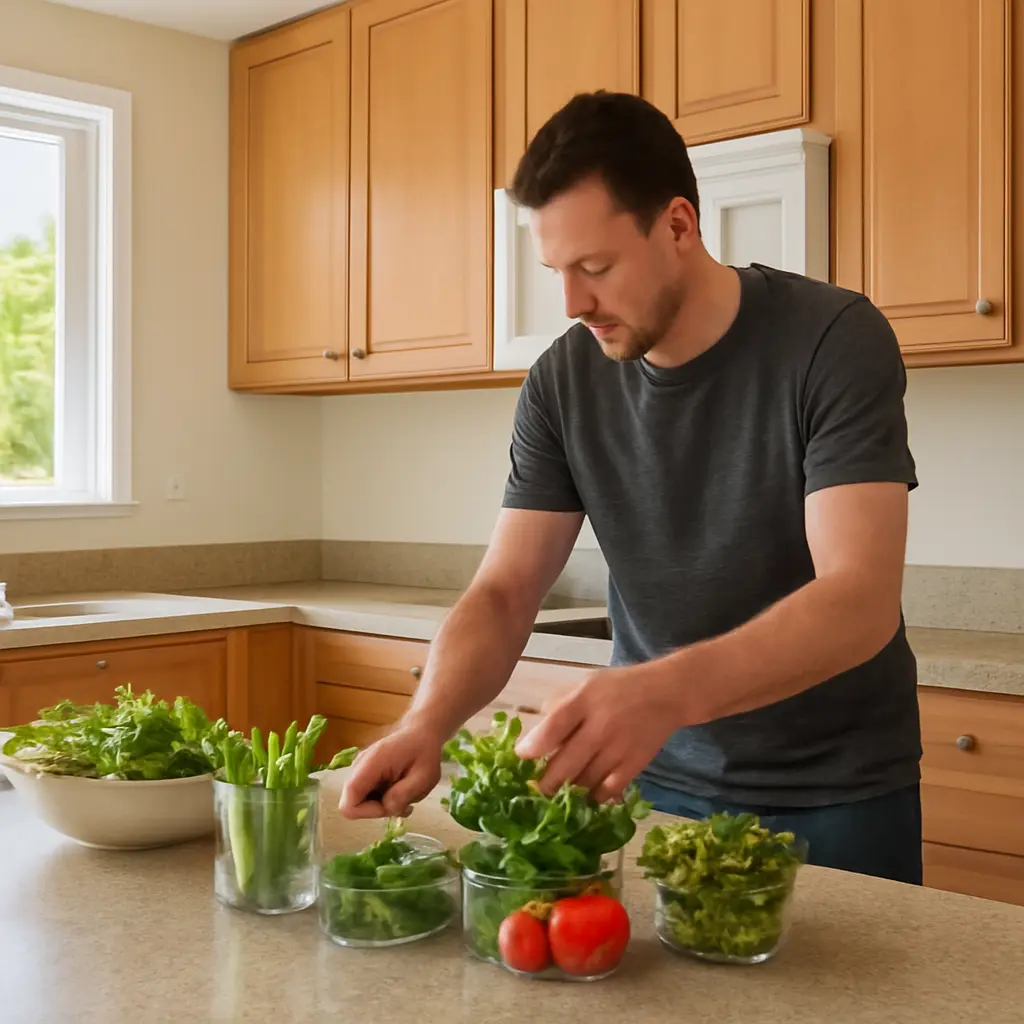
Many leafy vegetables, herbs, and berries last longer when refrigerated and protected from excess moisture. Keep produce in clean containers or suitable produce drawers, and avoid packing it so tightly that air cannot circulate. Potatoes, onions, garlic, and winter squash generally do better in a cool, dry, well-ventilated place than in the refrigerator; store potatoes away from onions to help limit premature sprouting and deterioration.
Some fruits, including apples and ripe pears, release ethylene that can speed ripening in nearby sensitive produce. Separating ethylene-producing fruit from items such as leafy greens can help maintain quality. Because produce varieties and home conditions differ, follow package directions and use the USDA FoodKeeper guidance for storage timelines rather than relying on a universal shelf-life estimate.
Wash at the right time
Washing produce just before preparation often helps it keep longer by avoiding moisture during storage. The FDA advises rinsing fruits and vegetables under running water before eating, cutting, or cooking them, including produce with skins that will be peeled. Do not use soap, detergent, or commercial produce washes. Clean hands, cutting boards, and utensils before and after handling produce, especially when raw meat has been prepared nearby.
Prepare Ingredients for Faster Cooking
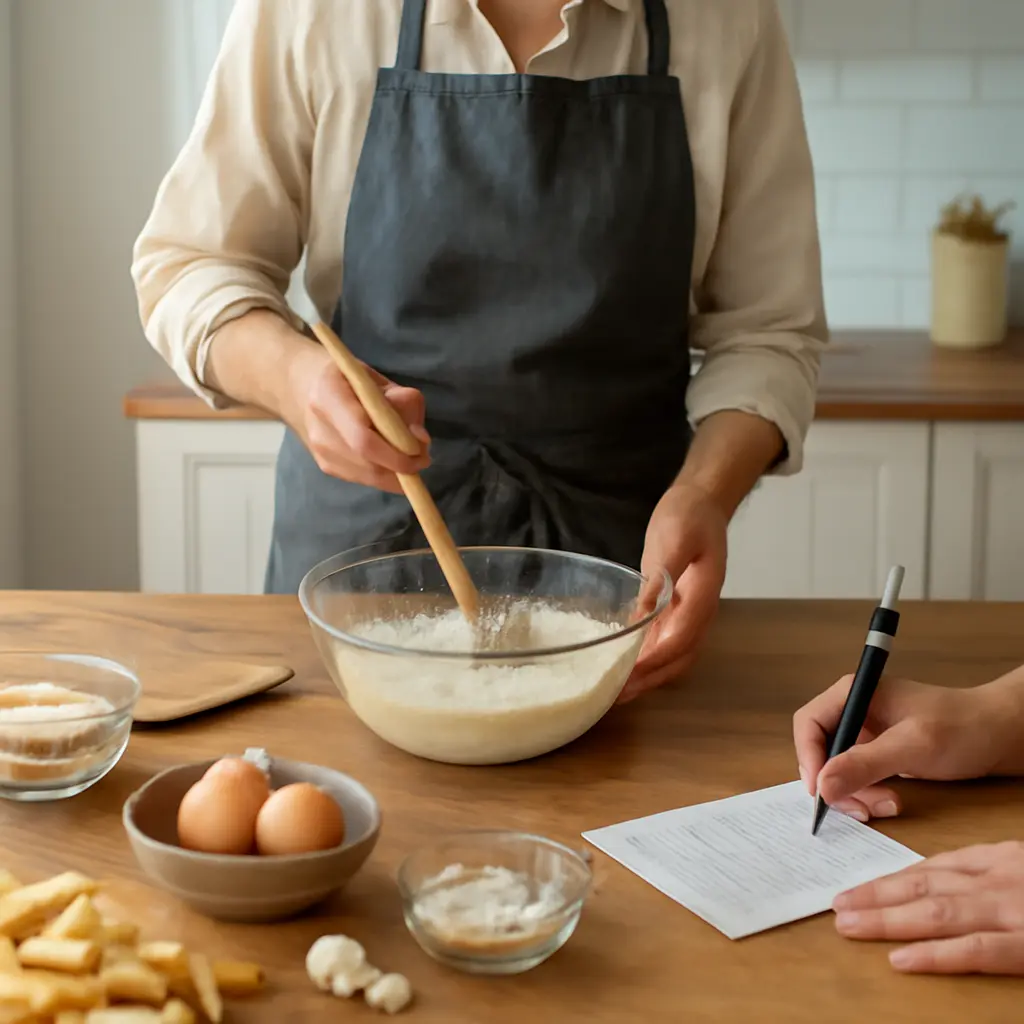
Ingredient preparation, often called mise en place, means measuring, washing, chopping, and organizing components before cooking. It can make meals easier to assemble, but prepared foods still need safe storage. The most useful approach is to prep stable ingredients ahead while keeping cut produce and other perishables cold until they are needed.
Prep selectively and keep food cold
Wash and dry herbs, portion nuts or grains, and group recipe ingredients in clean containers. Chop only the amount of produce likely to be used soon; cutting exposes more surface area to air and handling. Refrigerate cut produce promptly in covered containers, and do not leave prepared ingredients at room temperature beyond the FDA and USDA time limits for perishables.
Use safe containers and separation
Use clean, food-safe containers with lids, and label them with the ingredient and preparation date when helpful. Keep ready-to-eat foods separate from raw meat, poultry, seafood, and their juices. If a recipe requires raw and cooked ingredients, use separate boards and utensils or wash them thoroughly with hot, soapy water between tasks.
Freeze ingredients that will not be used in time
Freezing can preserve ingredients for later use when refrigerated storage is not practical. Freeze food in suitable airtight packaging, label it, and thaw it safely in the refrigerator, in cold water, or in a microwave—not on the counter. USDA guidance notes that food kept continuously at 0°F (-18°C) remains safe indefinitely, although quality can decline over time; use freezer-storage recommendations for best texture and flavor.
Rotate Ingredients and Reduce Waste
Ingredient rotation means using older suitable foods before newer purchases, while checking quality and safety as you go. It connects storage with meal planning: when foods are visible, dated, and arranged by likely use, it is easier to cook with them before they deteriorate.
Apply first in, first out
Place newly purchased items behind older ones, and move foods that need using soon to a visible shelf or container. Write purchase or preparation dates on leftovers and prepped ingredients. “Best if used by” dates generally indicate quality rather than a universal safety deadline; when in doubt about a food’s safety, follow official food-safety advice and discard it rather than tasting it.
Turn surplus into practical meals
A flexible “use-it-up” meal can bring together vegetables, herbs, and proteins nearing their planned use date—for example, a soup, stir-fry, omelet, or grain bowl. This works best when the ingredients have been stored safely and remain suitable to eat. The U.S. Environmental Protection Agency identifies planning meals, storing food properly, and using leftovers as practical ways households can prevent food waste.
A simple weekly routine is to check the refrigerator before shopping, plan meals around ingredients already on hand, store groceries promptly, and review the fridge before cooking. This small cycle helps keep ingredients both accessible and more likely to be used.
Conclusion: Keep Ingredients Ready and Safe
Keeping fresh ingredients ready for cooking depends on four connected habits: plan purchases around meals, store each ingredient under suitable conditions, prepare selectively while maintaining food safety, and rotate supplies so older items are used first. The FDA’s 40°F (4°C) refrigerator recommendation and USDA’s two-hour rule for perishable foods provide practical safety anchors. Start with a refrigerator temperature check, organize one shelf for ingredients to use soon, and consult USDA FoodKeeper recommendations for specific storage timelines. These steps can make cooking more convenient while helping protect food quality and reduce avoidable waste.
Sources: U.S. Food and Drug Administration, “Refrigerator Thermometers – Cold Facts about Food Safety,” https://www.fda.gov/consumers/consumer-updates/refrigerator-thermometers-cold-facts-about-food-safety; U.S. Department of Agriculture, Food Safety and Inspection Service, “Leftovers and Food Safety,” https://www.fsis.usda.gov/food-safety/safe-food-handling-and-preparation/food-safety-basics/leftovers-and-food-safety; U.S. Food and Drug Administration, “Selecting and Serving Produce Safely,” https://www.fda.gov/food/buy-store-serve-safe-food/selecting-and-serving-produce-safely; U.S. Department of Agriculture, Food Safety and Inspection Service, “FoodKeeper App,” https://www.fsis.usda.gov/food-safety/safe-food-handling-and-preparation/food-safety-basics/foodkeeper-app; U.S. Environmental Protection Agency, “Preventing Wasted Food at Home,” https://www.epa.gov/recycle/preventing-wasted-food-home.