Family recipes are cooking practices and food traditions passed among relatives, shaped by memory, migration, available ingredients, and changing tastes. Their evolution across countries and generations is not simply a story of dishes traveling unchanged: recipes are adapted as families encounter new markets, technologies, cultural influences, and health needs. UNESCO’s recognition of the Mediterranean diet as intangible cultural heritage, for example, emphasizes that food traditions include knowledge and social practices as well as ingredients. Looking at preservation, migration, and generational change together shows why family recipes matter as both everyday instructions and records of identity.
Family Recipe Evolution: How Traditions Change Across Countries and Generations
A family recipe is more than a list of quantities and steps: it is a repeatable method associated with a household or kinship group, often transmitted through demonstration, conversation, handwritten notes, and shared meals. Food historian Barbara Ketcham Wheaton’s work on historic cookbooks illustrates how recipes reflect the ingredients, technologies, and expectations of the period in which they were recorded. Today, migration and cross-cultural contact add further layers, as families substitute local ingredients or combine techniques while preserving familiar flavors and meanings.
Transmission and Memory Shape Family Recipe Evolution
Recipe transmission is the process through which cooking knowledge moves between people and generations. It includes written records, but also tacit knowledge: how dough should feel, when onions are sufficiently browned, or what a dish should smell like when ready. The United Nations Educational, Scientific and Cultural Organization (UNESCO) describes food-related heritage as including knowledge and practices connected to food preparation, sharing, and consumption. This broader definition helps explain why a recipe can survive even when its wording or ingredients change.
Oral instruction and embodied knowledge
Oral instruction is cooking knowledge taught through speech and demonstration rather than a fixed written formula. A grandparent may teach a child to add flour “until it feels right,” leaving the learner to develop judgment through practice. This form of transmission is flexible and personal, but it can be difficult to reproduce if a knowledgeable cook is no longer available. Recording a family member cooking—alongside notes on texture, timing, and sensory cues—can preserve details that measurements alone omit.
Handwritten recipes, cookbooks, and digital archives
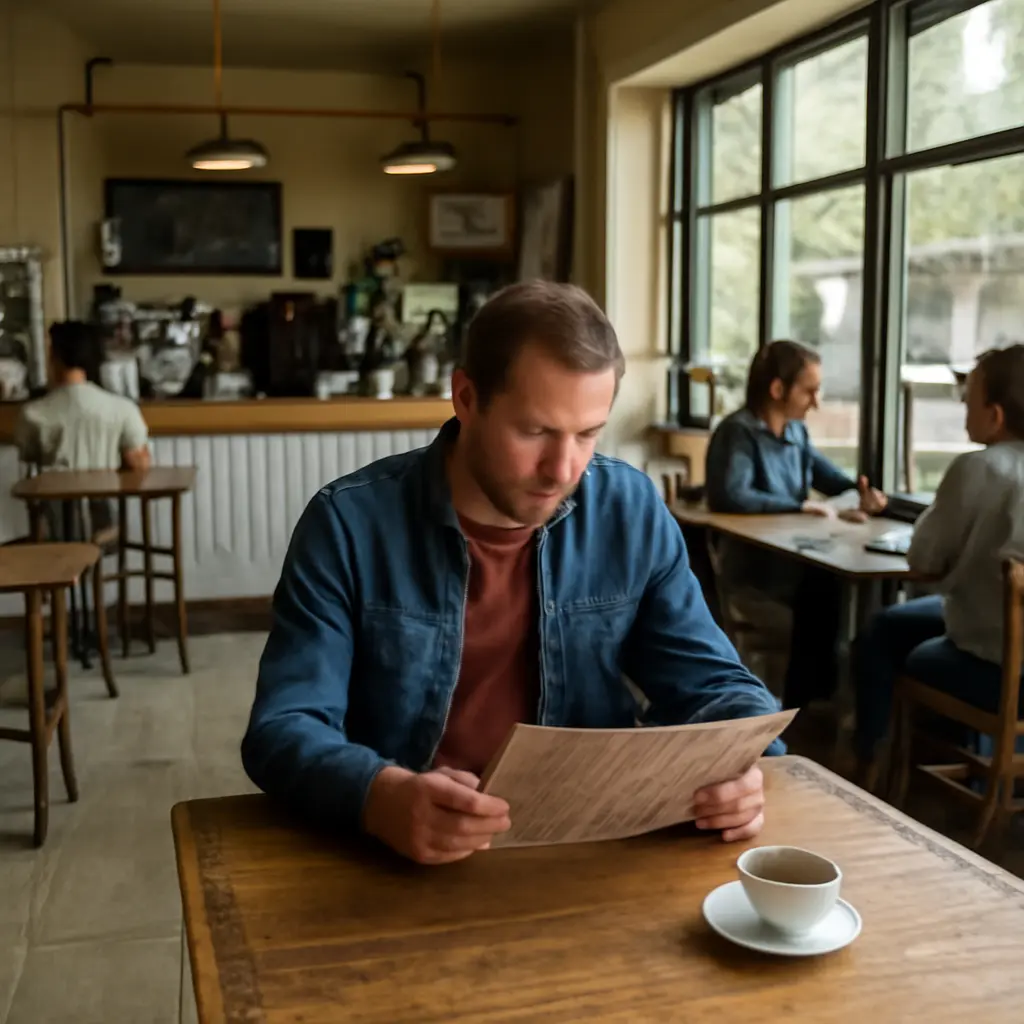
Written recipes stabilize one version of a dish while exposing it to revision. Notes in the margins, substitutions, and crossed-out ingredients can reveal how successive cooks responded to changing tastes or supplies. Digital photographs, audio interviews, and shared recipe documents extend this archive beyond paper, although they do not automatically preserve context. A useful record identifies who taught the recipe, where it was prepared, and which details are essential versus optional.
Transmission provides continuity, but continuity does not require exact repetition. When families move between countries, the ingredients and tools available to them can change the recipe’s practical form.
Migration and Local Ingredients Transform Family Recipes
Culinary adaptation is the adjustment of a dish to new ingredients, equipment, costs, or cultural settings while retaining some recognizable connection to its earlier form. Migration often makes this process visible: families carry food memories with them, then recreate them using what local shops provide. The resulting dish may differ from a version made in the country of origin, yet remain meaningful because it preserves a family’s method, flavor profile, or occasion.
Ingredient substitution and regional availability
Ingredient substitution replaces an unavailable or unsuitable ingredient with another that can perform a similar culinary role. A cook might use a local leafy green in place of a familiar variety, change the fat used for frying, or adjust spices to match what is stocked nearby. Such changes can affect texture and taste, so families often revise several steps rather than make a one-for-one swap. The Smithsonian’s food-history collections document how foodways develop through exchange, movement, and local circumstances, providing useful context for these household-level adaptations.
Diaspora kitchens and hybrid dishes
Diaspora cooking refers to food practices maintained and reshaped by communities living outside an ancestral homeland. In a diaspora kitchen, a dish may combine a remembered technique with ingredients or influences from the family’s new home. This does not make the recipe less authentic: authenticity can refer to a community’s lived practice, not only to adherence to a single national standard. A family’s version may therefore be a reliable account of its own migration history even when it differs from restaurant or cookbook versions.
Migration changes the conditions in which recipes are made. Generational change adds another influence: younger cooks may prioritize convenience, dietary needs, or new culinary interests while keeping selected family meanings intact.
Generational Change Reinterprets Family Recipes
Generational change is the gradual shift in how different age groups prepare, interpret, and value inherited dishes. It can reflect differences in time, household size, cooking confidence, food access, health considerations, and cultural identity. The U.S. Department of Agriculture’s dietary guidance, for instance, provides recommendations that families may use when adjusting ingredients or portions. Such changes do not necessarily erase tradition; they can help a recipe remain usable in contemporary life.
Convenience, equipment, and changing household routines
Convenience adaptation means modifying a recipe to fit available time and equipment. A long-simmered dish might be prepared in a pressure cooker, a labor-intensive dough made with a stand mixer, or a traditional component purchased ready-made. These choices alter process and sometimes flavor, but they can also make a family dish more accessible to people with different schedules or physical abilities. Recording the new method alongside the older one preserves both versions and clarifies where results may differ.
Dietary needs and inclusive revisions
Inclusive recipe revision adapts a dish for allergies, religious observances, vegetarian diets, or other health and ethical needs. A family may change a cooking fat, replace an allergen, or serve a separate version while maintaining shared preparation rituals. Because substitutions can affect food safety and nutritional composition, cooks should use reliable guidance rather than assume that every ingredient can be exchanged without consequence. The USDA’s MyPlate resources offer general tools for considering food groups and balanced meals, while individual medical needs may require advice from a qualified professional.
Identity, belonging, and shared meals
Food identity is the relationship between food practices and a person’s or group’s sense of belonging. Preparing a familiar dish can connect family members to relatives, places, languages, and celebrations, including when they live far apart. UNESCO’s account of the Mediterranean diet is one example of heritage framed not just as a menu but as shared knowledge and social practice. In family life, the meal’s setting—who cooks, who gathers, and what stories are told—can be as significant as the recipe itself.
Because recipes can carry both practical knowledge and personal history, documenting them offers a way to preserve change rather than conceal it.
Documenting Family Recipes Preserves Their History
Recipe documentation is the deliberate recording of a dish’s ingredients, method, variations, and social context. A strong record distinguishes measured quantities from estimates, notes the cook and source, and captures adaptations made in different countries or generations. This approach is especially useful when a recipe has several family versions: instead of choosing one as definitive, an archive can show how each reflects its own time and household.
A practical family recipe record
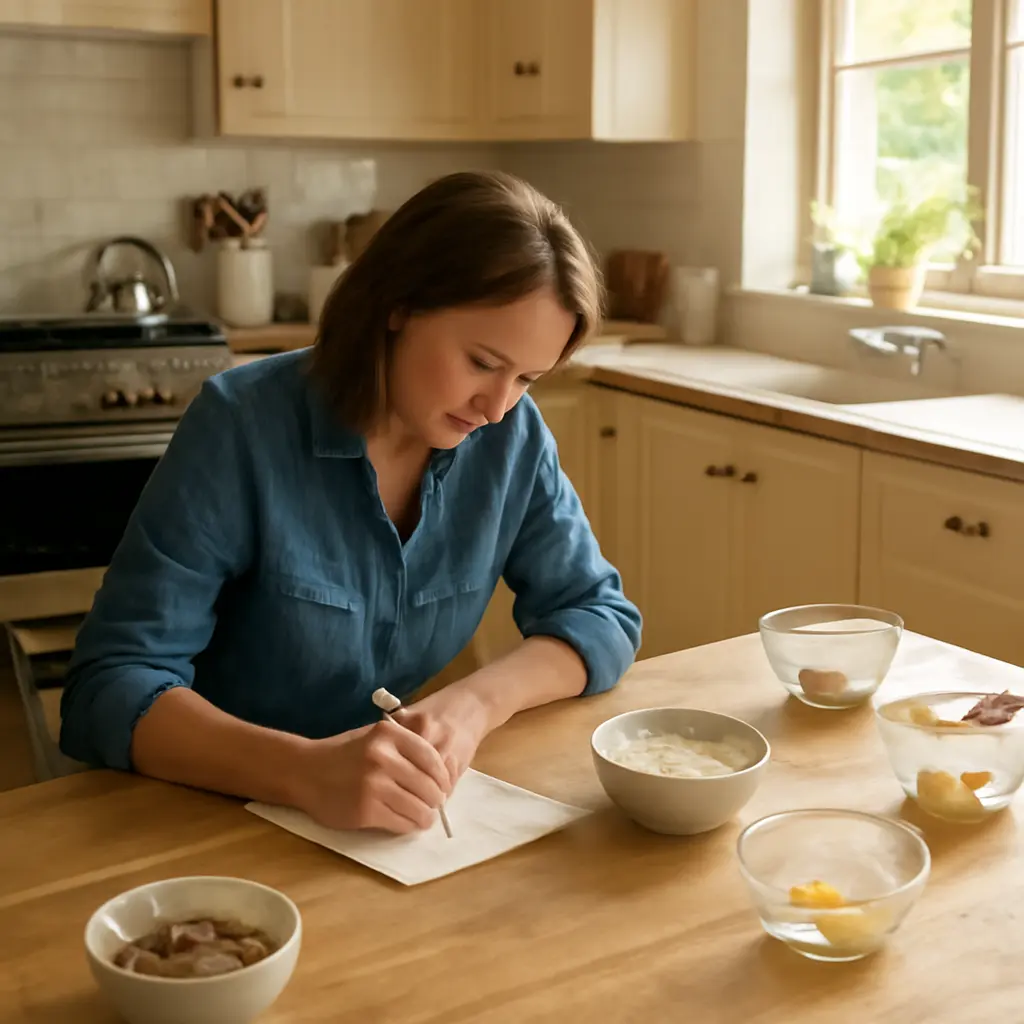
A useful record combines a reproducible recipe with an account of its history. Include the original language or name where possible, explain unfamiliar ingredients, and note equipment and sensory cues. If a version has been adapted, record both the change and the reason—for example, a substitution made after migration or a reduction in salt for health reasons. Photographs and short audio or video clips can preserve gestures and family stories that a written recipe cannot fully convey.
- Write down ingredient amounts, cooking times, temperatures, and serving sizes when known.
- Identify the cook, the person who taught the recipe, and the places or occasions associated with it.
- Record variations across relatives or generations instead of treating them as errors.
- Explain substitutions, dietary changes, and the reasons behind them.
- Store copies in more than one place and ask relatives’ permission before sharing private stories or images.
Conclusion: Family Recipes as Living Heritage
Family recipe evolution is shaped by transmission and memory, migration and local ingredients, generational change, and deliberate documentation. Oral teaching carries sensory knowledge; diaspora kitchens adapt dishes to new conditions; younger cooks revise methods for contemporary routines and dietary needs. These changes show that a recipe is not a frozen artifact but a living practice. Families can preserve that history by recording not only ingredients and steps, but also the people, places, substitutions, and stories behind each version. A practical next step is to ask an older relative to cook one meaningful dish, document the process with permission, and invite younger family members to add their own version.
Sources: UNESCO, “Mediterranean diet,” Intangible Cultural Heritage, https://ich.unesco.org/en/RL/mediterranean-diet-00884; UNESCO, “Foodways,” Intangible Cultural Heritage, https://ich.unesco.org/; Smithsonian National Museum of American History, “Food History,” https://americanhistory.si.edu/; U.S. Department of Agriculture and U.S. Department of Health and Human Services, Dietary Guidelines for Americans, 2020–2025, https://www.dietaryguidelines.gov/; U.S. Department of Agriculture, MyPlate, https://www.myplate.gov/; Wheaton, Barbara Ketcham, Savoring the Past: The French Kitchen and Table from 1300 to 1789, University of Pennsylvania Press, 1983.