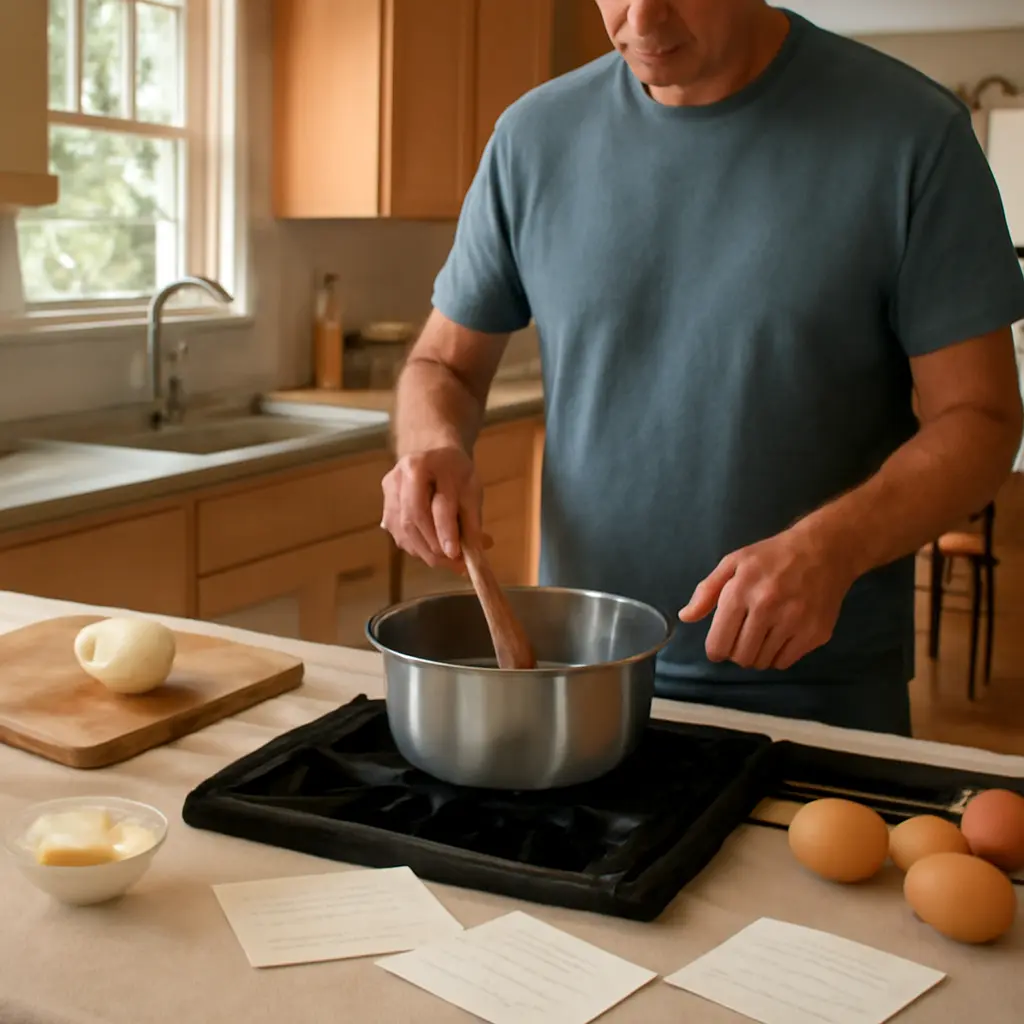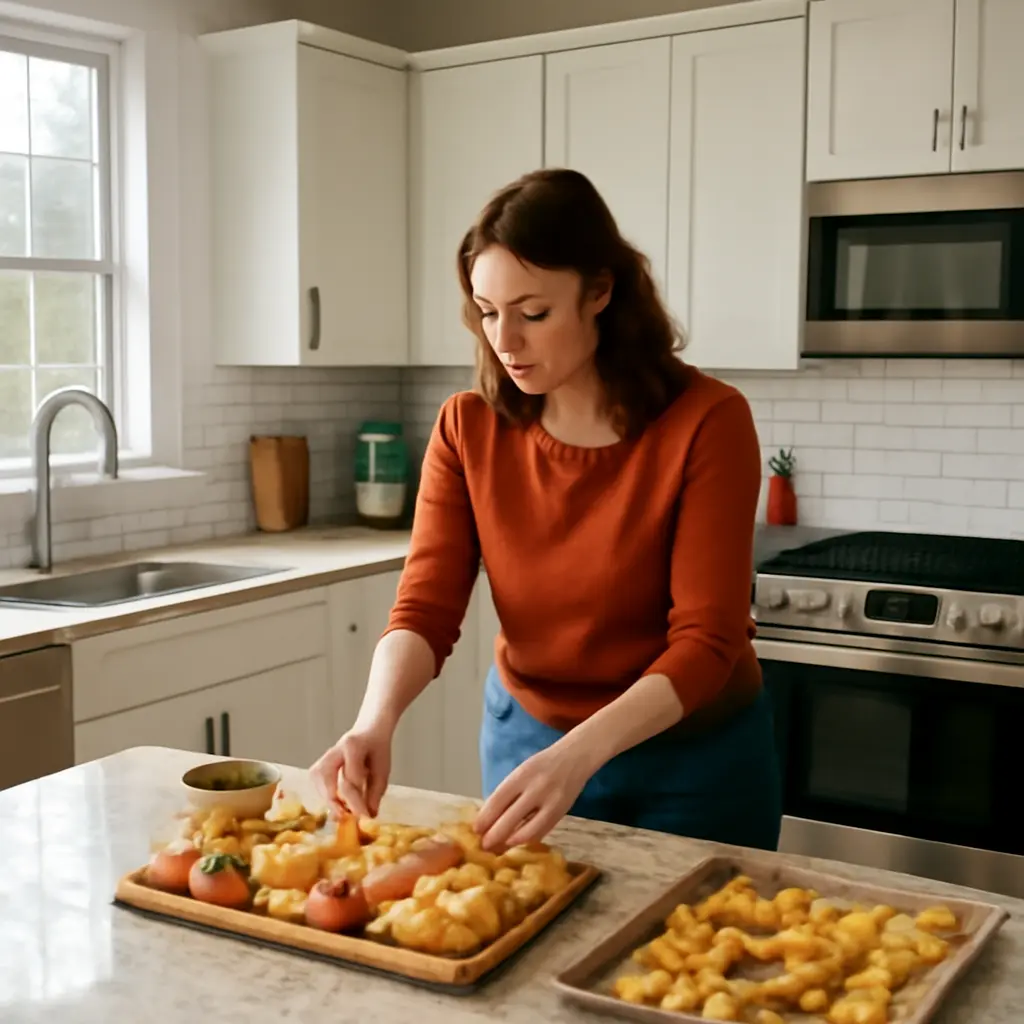
Celebration appetizers are small, savory or sweet bites served before or alongside a gathering’s main meal. Beginners can make an appealing spread in under an hour by combining quick assembly, a few simple cooking methods, and make-ahead ingredients. The most dependable options include no-cook boards, crisp oven-baked bites, and easy dips—choices that suit different tastes without requiring advanced kitchen skills. The USDA advises keeping perishable foods at room temperature for no more than two hours, so smart timing and serving in small batches matter as much as flavor.
Quick Celebration Appetizers: What Makes Them Beginner-Friendly
A quick celebration appetizer is a small portion of food designed to be served before a meal or as party fare, prepared with limited equipment and a short, manageable sequence of steps. The National Institute of Food and Agriculture describes food preparation as applying practical skills to turn ingredients into meals; for beginners, the useful principle is to choose recipes with few steps and familiar techniques. “Under an hour” is most achievable when the menu mixes ready-to-serve items with recipes that bake or chill while other components are assembled.
A practical spread might include one centerpiece, such as a cheese board, one warm item, such as puff-pastry pinwheels, and one dip with vegetables or crackers. This creates variety without multiplying cooking tasks. The USDA’s two-hour room-temperature guidance also offers a useful planning boundary: serve small portions, replenish from the refrigerator, and discard perishable food that has been left out too long.
No-Cook Boards and Skewers
No-cook appetizers are assembled rather than cooked, making them the easiest category for first-time hosts. Arrange cheese, crackers, fruit, olives, and sliced vegetables on a board, or thread cherry tomatoes, mozzarella, and basil onto skewers. These combinations offer different textures and colors with little more than a knife, a serving plate, and basic food-safety care. Keep cut fruit, cheese, and other perishables chilled until serving.
Oven-Baked Bites
Oven-baked bites use steady heat to turn simple ingredients into warm, crisp finger food. Puff-pastry pinwheels, seasoned chickpeas, and stuffed mushrooms are approachable choices because most of the work is filling, seasoning, or arranging ingredients before baking. Follow the package or recipe’s temperature and doneness instructions, and use a timer. For a beginner, the oven also makes it easier to prepare several portions at once than frying each piece individually.
Dips and Spreads
Dips and spreads are blended or stirred mixtures served with dippers such as vegetables, pita, or crackers. A quick option combines plain yogurt with lemon, herbs, and a pinch of salt; hummus, salsa, or softened cream cheese can also be dressed up with toppings. These recipes are forgiving: taste, adjust seasoning, and serve in a chilled bowl. Keep cold dips refrigerated until guests arrive and set out only what can be eaten within the recommended food-safety window.
A One-Hour Plan for Celebration Appetizers
An efficient appetizer plan sequences tasks so that oven time and hands-on time overlap. FoodSafety.gov recommends limiting perishable foods at room temperature to two hours—or one hour when the temperature is above 90°F (32°C). That guidance makes batch serving especially useful for outdoor celebrations and warm rooms.
- Spend the first 10 minutes washing produce, checking ingredients, and preheating the oven if needed.
- During the next 15 minutes, assemble a board or skewers and mix a dip; cover and refrigerate the dip.
- Use the following 20 to 25 minutes to prepare and bake one warm appetizer, following its recipe instructions.
- In the final 10 minutes, arrange serving dishes, add dippers, and bring out only a first portion of perishable food.
This is a flexible schedule, not a guarantee that every recipe will be ready in exactly 60 minutes. Choose recipes whose stated preparation and cooking times fit the available window, and avoid crowding the oven with dishes that require different temperatures. A simple visual guide would show the timeline as three parallel lanes—cold assembly, oven cooking, and final plating—to highlight where tasks can overlap.
Flavor, Variety, and Food Safety for Easy Party Appetizers
A successful appetizer table balances flavors and practical needs. Pair something creamy with something crisp, include a fresh option alongside a rich one, and offer at least one choice that works for guests avoiding a common ingredient. The Food and Drug Administration identifies nine major food allergens in the United States: milk, eggs, fish, crustacean shellfish, tree nuts, peanuts, wheat, soybeans, and sesame. Ask guests about dietary needs when possible, label dishes clearly, and use separate utensils to reduce accidental mixing.
Food safety is part of good hosting, not an extra step. The USDA recommends keeping hot foods hot and cold foods cold, using a food thermometer where required, and refrigerating leftovers promptly. For parties, smaller serving bowls are useful: keep backup portions chilled or warm and replace the serving dish as needed. This approach preserves quality while helping prevent food from lingering at unsafe temperatures.
For example, a beginner hosting a small birthday gathering could set out a vegetable-and-cheese board, bake one tray of tomato-and-cheese pastry bites, and serve a yogurt-herb dip. The board and dip can be prepared while the pastry bakes; guests then get a mix of fresh, creamy, and warm options without a complicated menu.
Conclusion: Simple Appetizers Make Celebrations Easier
Beginner-friendly celebration appetizers rely on straightforward categories: no-cook boards and skewers, oven-baked bites, and dips or spreads. A one-hour plan works best when recipes are chosen for their actual preparation times and tasks are overlapped thoughtfully. Balance flavors, check for allergens, and follow food-safety guidance by serving perishable foods in small batches. Start with one board, one warm bite, and one dip; after trying the combination, save the recipes and timing plan that worked best for your next gathering.
Sources: U.S. Department of Agriculture, Food Safety and Inspection Service, “Keep Food Safe! Food Safety Basics,” https://www.fsis.usda.gov/food-safety/safe-food-handling-and-preparation/food-safety-basics/keep-food-safe-food-safety-basics; FoodSafety.gov, “Food Safety During a Power Outage,” https://www.foodsafety.gov/food-safety-charts/food-safety-during-power-outage; U.S. Food and Drug Administration, “Food Allergies,” https://www.fda.gov/food/food-labeling-nutrition/food-allergies; National Institute of Food and Agriculture, “Food Safety,” https://www.nifa.usda.gov/topics/food-safety.