
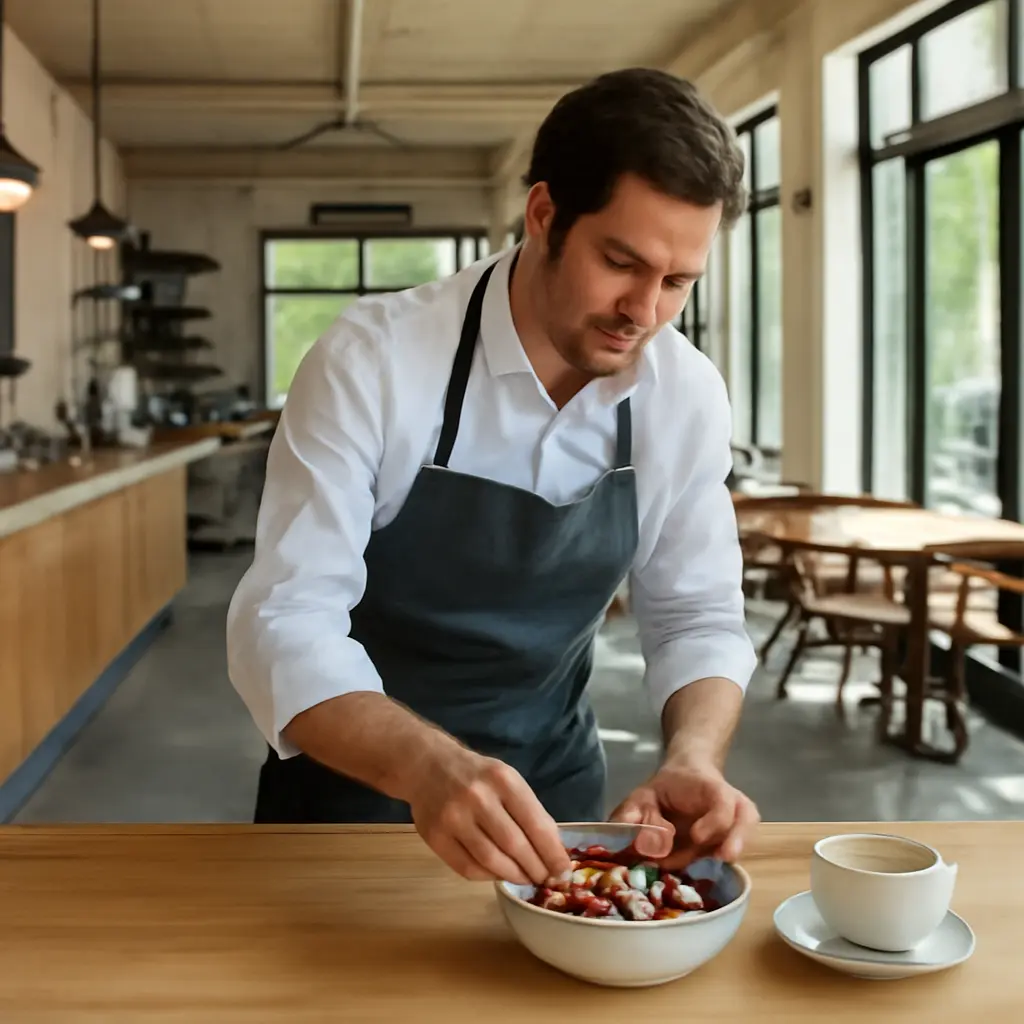
Breakfast trends guests talk about afterward are not just photogenic plates: they pair a memorable flavor or format with reliable execution, thoughtful hospitality, and a story worth sharing. The strongest opportunities for restaurants and hotels include globally inspired dishes, upgraded classics, customizable protein-forward meals, and distinctive drinks. These ideas matter in a competitive market: the National Restaurant Association reported that 2024 U.S. restaurant and foodservice sales were projected to reach $1.1 trillion, while consumer research from its 2024 State of the Restaurant Industry highlighted demand for value and experiences. The practical takeaway is to make breakfast distinctive without making it difficult to order, prepare, or serve.
Breakfast trends as memorable guest experiences
A breakfast trend is a changing preference in ingredients, preparation, presentation, or service that influences what diners choose in the morning. A trend becomes conversation-worthy when it combines sensory appeal—such as aroma, texture, color, and flavor—with a clear point of difference. Food-industry trend reports can signal interest, but the best evidence for a particular venue is its own sales mix, guest feedback, food costs, and repeat orders.
Breakfast also has a practical advantage: it gives guests a familiar meal in which small changes can feel new. A well-made staple can anchor the menu, while a globally inspired topping, a house-made condiment, or a carefully presented drink supplies the detail guests remember. That balance is useful for hotels serving varied travelers as well as neighborhood cafés seeking regulars.
Global flavors give breakfast trends a distinctive identity
Global breakfast flavors bring ingredients and techniques associated with different food traditions into a morning menu, ideally with accurate naming and respectful context. The category ranges from recognizable dishes—such as shakshuka, congee, and dosa—to familiar formats seasoned with regional spices or served with traditional accompaniments. The point is not to label every inventive plate “authentic,” but to describe it honestly and make the flavor logic clear.
Regional dishes and savory breakfasts
Savory breakfasts can stand out in menus dominated by pastries, pancakes, and eggs. Shakshuka, for example, centers eggs in a spiced tomato-and-pepper sauce; congee offers a soft rice porridge that can be finished with savory toppings; and dosa provides a crisp fermented-rice-and-lentil crepe format. These dishes give guests a meaningful alternative while offering kitchens adaptable components and topping choices.
The National Restaurant Association’s 2024 culinary forecast identified global flavors and cuisines among the trends chefs expected to influence restaurant menus. For operators, that is a directional signal—not a guarantee of local demand. A limited-time special, described with its ingredients and cultural reference, can test interest before a permanent menu commitment.
Condiments, spice, and contrasting textures
A condiment-led breakfast uses a sauce, relish, spice blend, or crunchy garnish to create a recognizable signature without rebuilding the whole dish. Examples include chili crisp on eggs, herb sauce with potatoes, pickled vegetables alongside a rich breakfast sandwich, or a spiced honey drizzle over a savory biscuit. Contrasts—crisp against creamy, acidic against rich, or spicy against mild—help a dish feel complete and memorable.
This approach can also simplify kitchen operations: one house condiment may work across eggs, grains, sandwiches, and vegetables. Keep heat levels and allergens clear on the menu, and offer a milder option where practical. The next opportunity is to apply the same thoughtful customization to the ingredients guests already know.
Upgraded classics keep breakfast trends approachable
An upgraded classic preserves a recognizable breakfast format while improving one or more elements, such as ingredient quality, technique, balance, or presentation. It might be a breakfast sandwich with a house-baked roll, pancakes with seasonal fruit, or eggs served with well-seasoned vegetables. Because guests understand the basic dish, the upgrade feels accessible rather than demanding a leap into unfamiliar food.
Better breakfast sandwiches and handhelds
A memorable handheld depends on structure as much as novelty: bread should hold its filling, sauces should not overwhelm it, and the first bite should include a balanced combination of ingredients. Operators can distinguish a sandwich with a signature bread, a properly cooked egg, a sharp or tangy element, and an optional vegetarian filling. Clear descriptions help guests understand what makes the item worth choosing.
Breakfast sandwiches also suit takeout, but packaging and holding time affect quality. A crisp component can soften in a closed wrapper, while an overfilled sandwich can be difficult to eat on the move. Testing the complete item after realistic holding times is a simple way to protect the guest experience.
Seasonal produce and produce-forward plates
Produce-forward breakfasts treat vegetables, fruit, beans, or grains as central parts of the plate rather than decorative extras. Seasonal tomatoes, greens, mushrooms, squash, berries, or citrus can bring color and freshness to eggs, toast, oats, and bowls. The U.S. Department of Agriculture’s MyPlate guidance encourages making fruits and vegetables part of a healthy eating pattern; a restaurant can translate that principle into attractive choices without presenting a single dish as a medical solution.
Seasonal sourcing can add a credible menu story, but availability and price vary by region and time of year. Build flexibility into descriptions—for example, “market vegetables” where substitutions are genuinely expected—and update the menu when supply changes. Once the core plate is appealing, guests can be given more control over how it meets their preferences.
Customizable, protein-forward options meet varied routines
A customizable breakfast lets guests choose among clearly defined bases, proteins, toppings, or dietary modifications. Protein-forward options emphasize foods such as eggs, yogurt, beans, tofu, nuts, or lean meats, while still allowing for fiber-rich grains and produce. “High protein” should be used accurately and in line with applicable menu-labeling rules; guests benefit more from transparent ingredients than vague wellness claims.
Build-your-own bowls and balanced combinations
A breakfast bowl is a flexible format that can combine a base—such as oats, grains, potatoes, or greens—with a protein, fruit or vegetables, and a finishing sauce or topping. A short, curated set of choices makes customization manageable: too many options can slow ordering and complicate prep. Include at least one satisfying plant-based combination, and make substitutions visible rather than requiring guests to negotiate them at the counter.
The International Food Information Council’s 2024 Food & Health Survey reported that protein was a nutrient consumers said they were trying to consume. That finding supports testing protein-rich breakfast choices, but it does not mean every guest wants the same portion or ingredients. Sales data and direct feedback should determine which combinations earn a permanent spot.
Plant-based choices that feel complete
Plant-based breakfast options are dishes made without animal-derived ingredients, while vegetarian offerings may include eggs or dairy depending on the recipe. Strong versions are designed as full meals: tofu with vegetables and grains, beans with salsa and avocado, or oats with fruit, nuts, and seeds. A deliberate flavor and texture profile is more appealing than simply removing meat from a standard plate.
Menu labels should distinguish vegan, vegetarian, and dairy-free options accurately, and staff should know how dishes are prepared to help guests with allergies or dietary needs. Customization works best when the menu remains clear and the kitchen can deliver each variation consistently. Drinks provide another low-friction way to add a distinctive detail.
Signature drinks and small rituals make breakfast shareable
A signature breakfast drink is a beverage with a recognizable flavor, preparation, or presentation that complements the food and gives the guest a reason to remember the visit. It may be a carefully made coffee, a tea-based drink, a house-spiced latte, or a nonalcoholic seasonal refresher. The strongest drink menus offer both familiar choices and one or two distinctive options rather than relying on novelty alone.
Coffee, tea, and nonalcoholic specialties
Coffee and tea remain natural anchors for breakfast, but small details can elevate them: a well-executed espresso, a thoughtfully sourced tea, a house syrup, or a seasonal spice blend. Nonalcoholic options such as fruit-and-herb spritzes or iced tea provide an alternative for guests avoiding caffeine or seeking something refreshing. Describe sweetness and key ingredients plainly, and provide unsweetened or lower-sweetness choices when feasible.
The National Restaurant Association’s 2024 forecast also pointed to interest in beverage innovation. As with food trends, the commercial test is whether guests order the drinks, enjoy them, and return for them—not whether a beverage is merely striking in a photograph. A simple operating scorecard can separate lasting demand from a short-lived curiosity.
How to test breakfast trends without overcomplicating service
A trend is useful only when it fits the venue’s audience, kitchen capacity, and price expectations. Before adding a permanent item, run a small test and evaluate guest response alongside execution. Consider tracking:
- Orders and repeat purchases, compared with similar menu items.
- Food cost, waste, and the number of ingredients used across the menu.
- Ticket times, preparation errors, and staff feedback during busy periods.
- Guest comments, online reviews, and requests for modifications.
- Whether the dish travels well for takeout or remains appealing at the table.
A practical example is a café testing a globally inspired egg special for several weekends, using a shared house sauce and existing produce. If guests order it consistently, the kitchen can refine portioning and decide whether it belongs on the regular menu. If sales are weak or execution slows service, the ingredients may still be repurposed in another dish. This kind of measured trial turns trend awareness into a business decision.
Conclusion: build breakfast guests remember
The breakfast trends guests are most likely to discuss afterward combine global flavor, upgraded classics, produce-forward cooking, flexible protein choices, and distinctive drinks. Each trend works best when supported by clear menu language, consistent preparation, and a genuine reason for the dish to exist. Start with one or two ideas, test them with real guests, and use sales, costs, and feedback to guide the next step. For further exploration, review restaurant-industry trend reports, consumer food research, and USDA nutrition guidance, then adapt the findings to your own guests and kitchen.
Sources: National Restaurant Association, 2024 State of the Restaurant Industry Report, https://restaurant.org/research-and-media/research/research-reports/state-of-the-restaurant-industry/; National Restaurant Association, 2024 What’s Hot Culinary Forecast, https://restaurant.org/research-and-media/research/whats-hot/; International Food Information Council, 2024 Food & Health Survey, https://foodinsight.org/2024-food-health-survey/; U.S. Department of Agriculture, MyPlate, https://www.myplate.gov/.


